TTA SOUTH STARS: Mega Radiance. The Journey from Medical Practice to Precision Health
2025-11-18
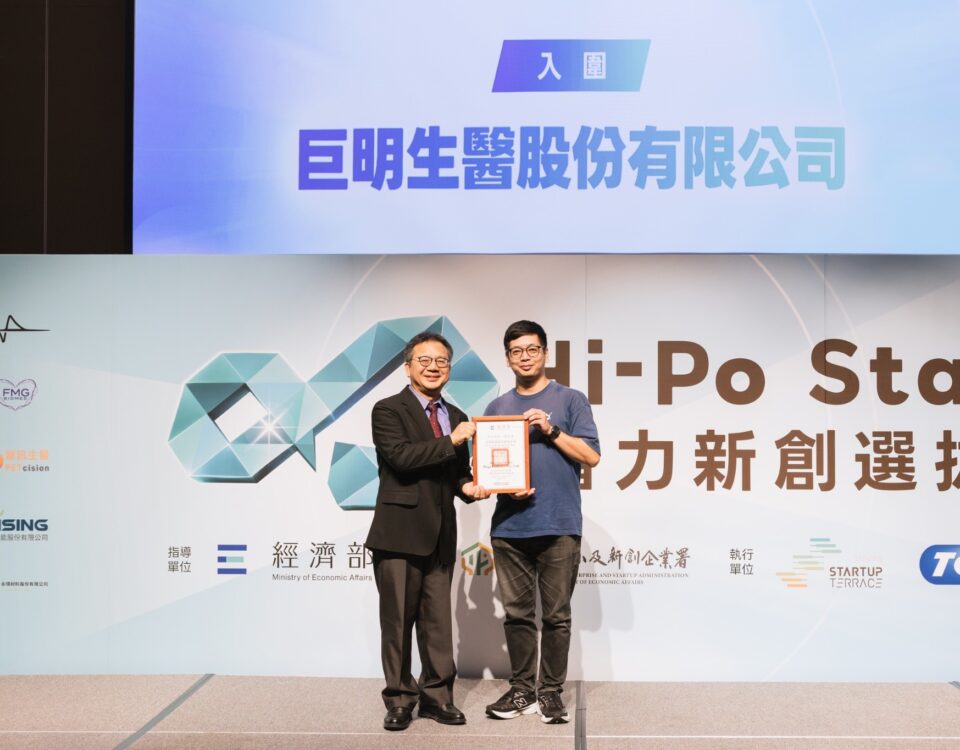
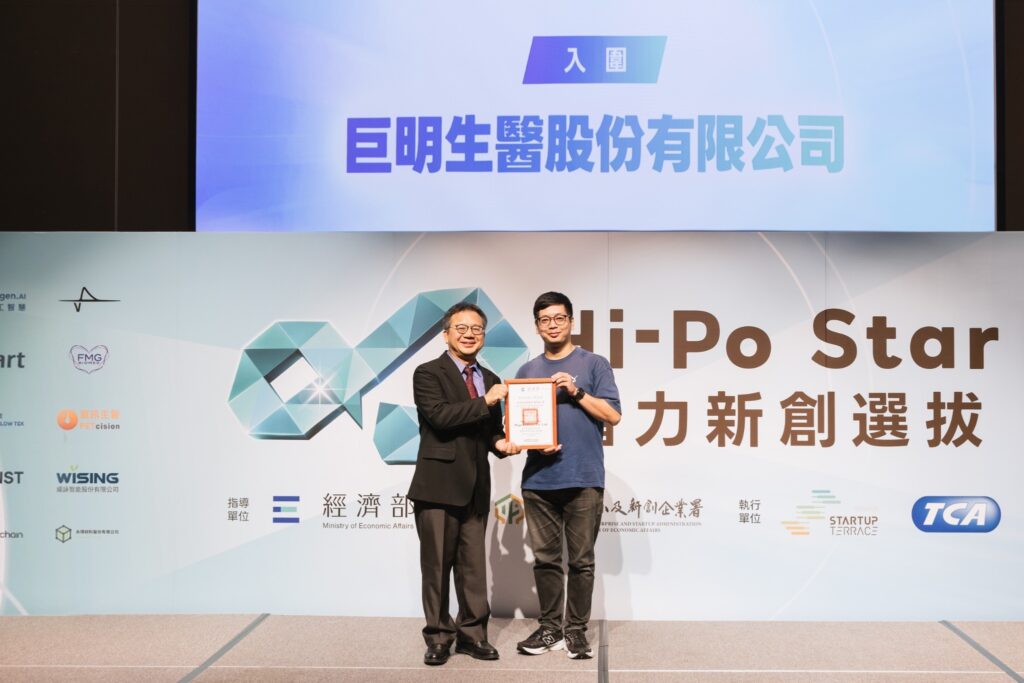
Mega Radiance Named a Deep Tech Finalist in the 2026 Hi-Po Star Selection: Driving Data Value Through AI Medical Imaging
2026-10-08
Mega Radiance Reads Muscle Quality in 3 Seconds, Turning CT Scans into Easy-to-Understand Health Reports
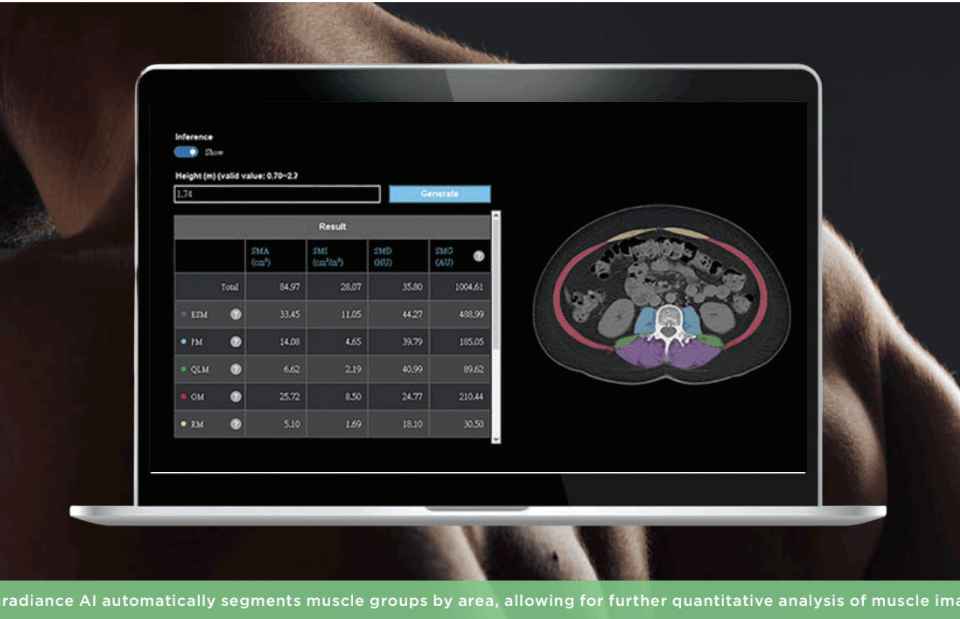
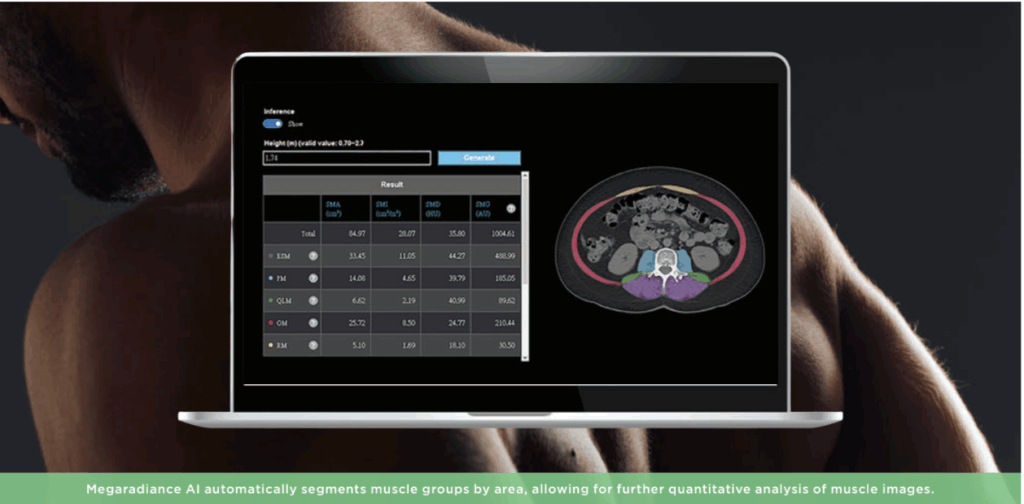
“Our mission is to turn cold, hospital-based data into something that everyday people can understand,” says Yi-Feng Wu, Operations Manager at Mega Radiance. Incubated by National Cheng Kung University (NCKU), this AI medical imaging startup centers on its core product, CanWellBeing, an AI-powered body composition quantification system. The system automatically identifies anatomical cross-sections from abdominal CT scans, segments muscle from fat, and generates body composition metrics. This process traditionally required radiologists to spend 20 to 40 minutes manually contouring the images, but AI can complete the analysis in just 3 seconds. The results show high consistency with those of senior radiologists and can be compared against a normative database of more than 10,000 Taiwanese profiles.
Wu explains that high muscle mass does not necessarily indicate good muscle quality. When fat accumulates within muscle, a phenomenon commonly referred to as “marbling” or myosteatosis, it can affect metabolic health, while conventional examinations may fail to identify this “pseudo-healthy” group. CanWellBeing provides comprehensive muscle quality indicators. Alongside professional reports, it also offers easy-to-understand reports for general users, helping individuals understand their risk of chronic diseases over the next 1 to 5 years, along with recommendations for dietary and lifestyle adjustments.
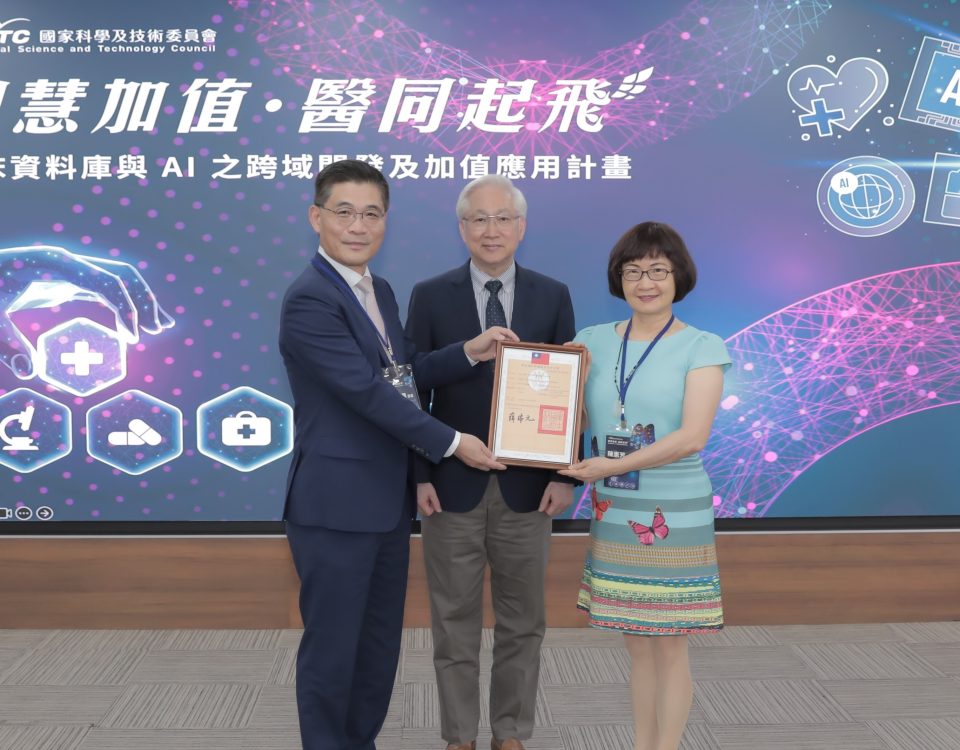
The entire CanWellBeing service can be deployed in under 4 hours without requiring major changes to existing hospital workflows, significantly lowering the barrier to adoption for medical institutions. National Cheng Kung University Hospital has completed procurement, and the system is scheduled to launch at its health screening center in 2026. In addition, Mega Radiance is expanding into opportunistic screening by retrospectively analyzing previously acquired CT scans from completed diagnostic examinations to proactively identify people at risk of metabolic disorders or sarcopenia.
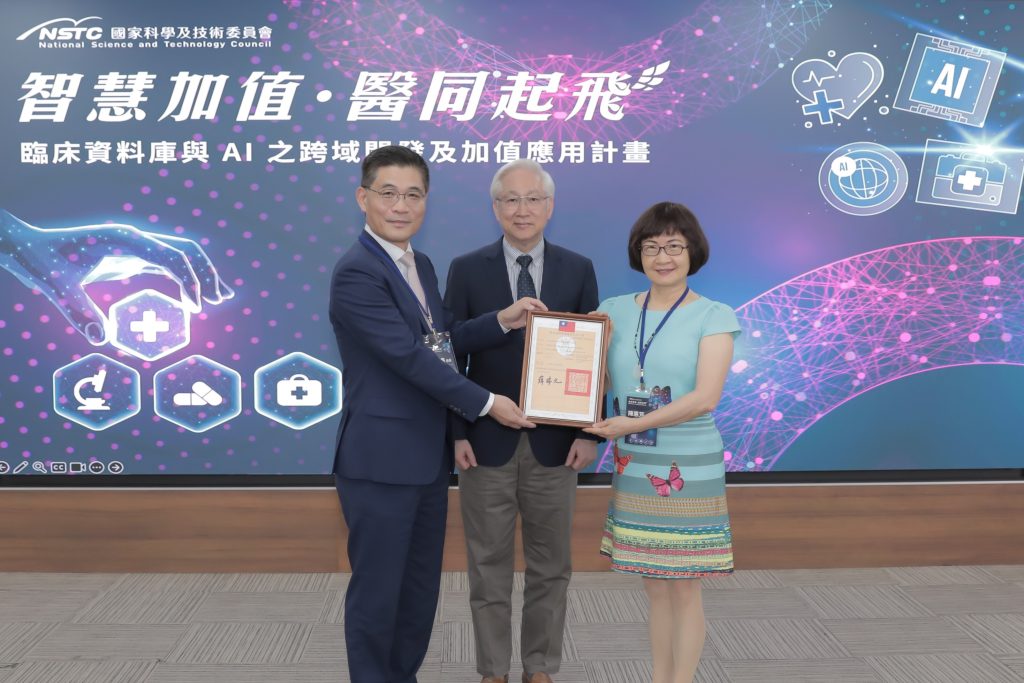
Wu notes that the biggest challenge in moving from academic research to market adoption is obtaining medical device certification. Taiwan Tech Arena (TTA) has assisted Mega Radiance by consolidating fragmented regulatory and certification resources, saving the company the cost and effort of engaging with different organizations individually while connecting the startup with potential clients, including hospitals. With Taiwan’s healthcare quality widely trusted across Southeast Asia, Mega Radiance plans to make the region its first overseas market. It also plans to initiate the FDA application process by year-end to seek international recognition, while actively looking for local partners familiar with regional regulations and hospital workflows to help bring Taiwan’s innovative healthcare technologies to international markets.
Full Article: https://www.bnext.com.tw/article/92215/ITRI%EF%BC%BF2026.09